
Family martial arts classes offer more than exercise or a shared hobby. They create a space where parents and children can grow side by side, practice mutual respect, and build stronger relationships through challenge, consistency, and shared experience.
That is a big deal for modern families. Many parents feel like they spend their days managing schedules, correcting behavior, and rushing from one obligation to the next. Kids are often pulled in different directions too, between school, activities, screens, and social pressures. Even families who love each other deeply can start to feel disconnected in the middle of everyday life.
That is one reason family martial arts training can be so powerful. It gives parents and children a place to reconnect with intention. Instead of only interacting through reminders, discipline, or logistics, they learn together. They practice together. They face discomfort together. And through that process, they often begin to understand each other better.
In this article, we will explore how family martial arts training strengthens bonds, improves communication, and helps families develop a deeper culture of heart-based leadership. We will also look at how the lessons learned on the mat can carry into home life, parenting, and the way a family grows together over time.
Many family activities are fun, but not all of them create growth. Watching a movie together can be relaxing. Going out to dinner can be enjoyable. A weekend outing can create good memories. But family martial arts classes do something different. They ask each person to show up, participate, and develop.
That shared development matters. When parents and children train together, they step into the same learning process. Everyone has to listen. Everyone has to stay humble. Everyone has to practice. Everyone has to improve.
That changes the family dynamic in subtle but meaningful ways. Children begin to see their parents as learners, not just authority figures. Parents get to witness their children persevering, struggling, adjusting, and growing in real time. There is a different kind of respect that develops when growth is shared rather than only directed.
This is one reason martial arts for families can be so meaningful. It creates a shared language around effort, discipline, resilience, and self-control. Instead of just telling children what matters, parents get to live those values beside them.
One of the strongest parts of family training is that progress is visible. A parent may need to work on patience. A child may need to work on focus. Another family member may need to work on confidence. Everyone enters with different strengths and different growing edges.
That creates a powerful environment because nobody is above the process. Growth becomes normal. Struggle becomes normal. Learning becomes normal.
When a child sees their parent keep practicing even when something is awkward, that teaches humility. When a parent watches their child stay with something difficult instead of quitting, that builds trust. When both of them improve over time, they gain more than skill. They gain shared proof that effort changes people.
Those moments strengthen family bonds because they build respect through experience, not just words.
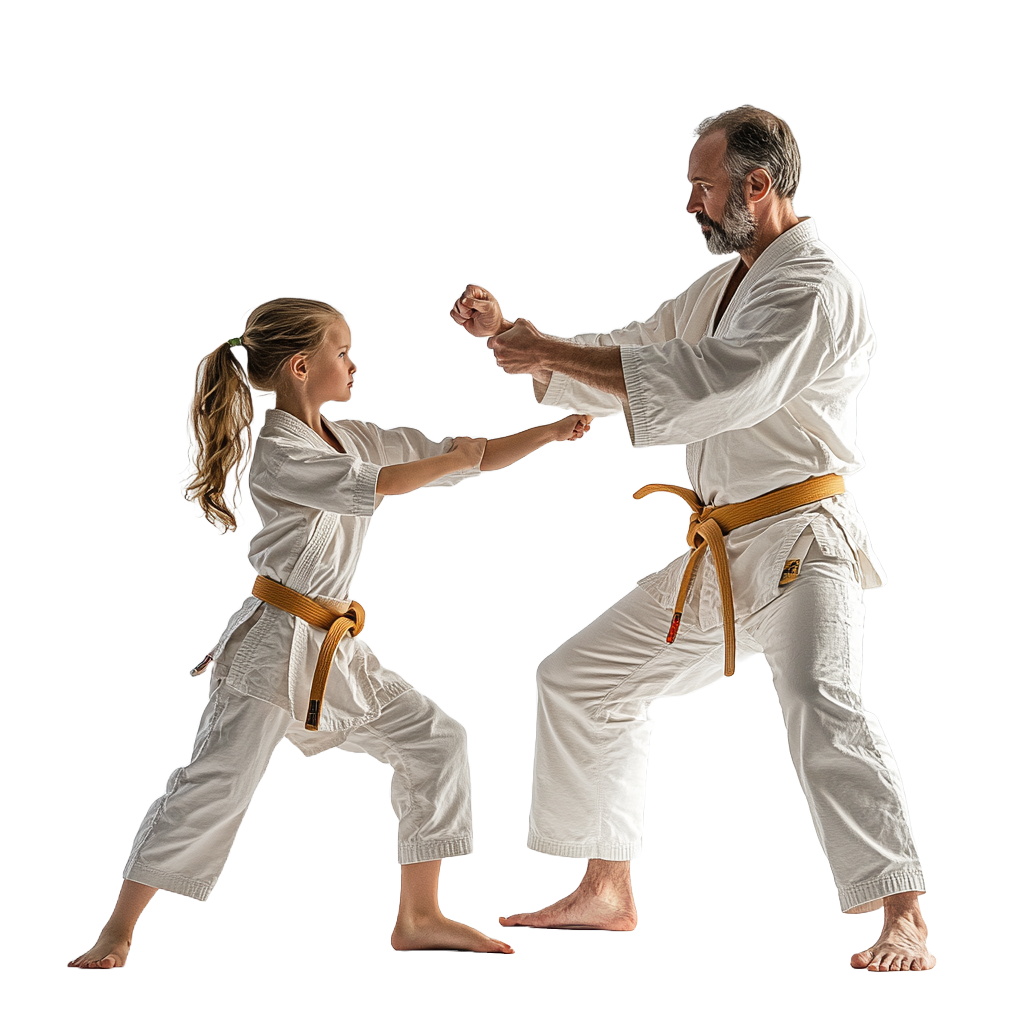
A lot of family tension comes down to communication. Parents feel unheard. Kids feel misunderstood. Conversations become reactive, repetitive, or emotionally charged. What starts as a simple correction can quickly become a power struggle.
Martial arts can help because it teaches communication in a more embodied way. Students learn how to listen closely, respond respectfully, and stay regulated under instruction. They also learn that tone, attention, posture, and self-control are all part of communication.
These lessons matter just as much at home as they do in class.
Most children do not ignore instructions simply because they are disrespectful. Often, they are distracted, overstimulated, emotionally flooded, or not fully present. Martial arts helps train presence.
In class, students must pay attention to details. They watch demonstrations. They listen for cues. They follow sequences. If they drift, they miss the next step. Over time, this strengthens active listening.
That can carry into family life. A child who practices listening with their whole attention may start responding better at home. A parent who trains too may become more aware of how they give directions, how often they repeat themselves, and whether their own communication is calm or rushed.
Better communication is not only about getting kids to listen more. It is also about the whole family learning to be more present with one another.
Some families fall into communication patterns built on stress. Parents raise their voice because they feel ignored. Kids shut down or push back because they feel cornered. Everyone becomes reactive.
Good martial arts instruction teaches something healthier. It teaches respect without humiliation. It teaches correction without shame. It teaches boundaries without chaos.
That model can influence how families speak to one another. Parents may start noticing that calm clarity works better than emotional escalation. Children may learn that being corrected does not mean they are being attacked. The whole tone of the household can shift when communication becomes more grounded.
Family bonding activities are most powerful when they help improve daily life. Martial arts does that by helping families practice respect in real time.
Bonding does not come only from spending time together. It comes from meaningful time together. Families grow closer when they share effort, support one another, and create memories tied to growth.
That is exactly what family martial arts classes can provide.
Parents and children are not just occupying the same room. They are engaging in a process that requires courage, vulnerability, patience, and encouragement. Those ingredients deepen relationships.
There is something unique about working through a challenge together. It could be learning a new movement, practicing a difficult sequence, or simply getting through class after a hard day. When families stay with those moments together, trust grows.
A child feels supported when a parent shows up consistently. A parent feels encouraged when a child is excited to train together. Both begin to experience one another in a new way.
This can be especially meaningful for families who feel disconnected. Shared challenge creates fresh moments of connection that are not centered on correction, conflict, or performance pressure.
Over time, those moments accumulate. They become inside jokes, shared milestones, and meaningful memories. They help a family feel more like a team.
One of the healthiest shifts martial arts can create is a culture of encouragement. In strong training environments, students are challenged, but they are also supported. Effort is recognized. Progress is noticed. Perseverance is valued.
When families train together, they often bring that same energy home.
A child might cheer for a parent who is learning something new. A parent might notice and praise a child’s persistence rather than only focusing on performance. Siblings may begin supporting one another more instead of competing over everything.
That kind of encouragement changes the emotional climate of a family. It becomes easier to celebrate growth. It becomes easier to stay connected through setbacks. And that strengthens bonds over time.
Heart-based leadership is not about control. It is not about dominating a household, demanding perfection, or trying to win every conflict. It is about leading with strength, clarity, compassion, and responsibility.
In a family setting, heart-based leadership means parents model the values they want to see. It also means children are invited to grow into leadership through self-control, service, and respect.
Martial arts is a powerful vehicle for this because it trains character alongside skill.
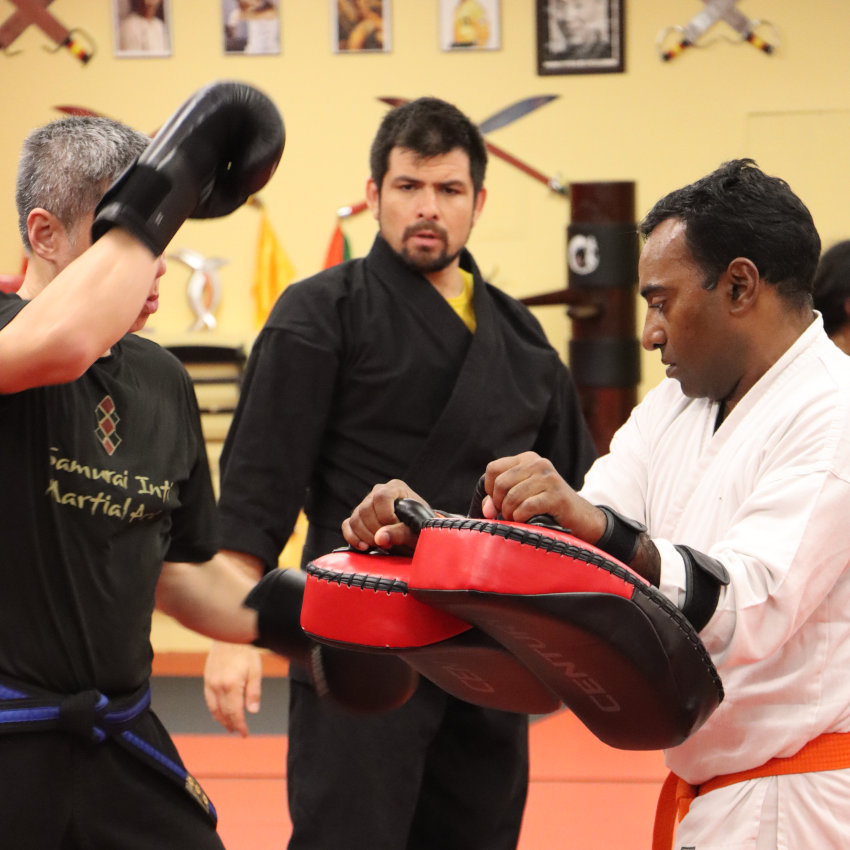
Children pay far more attention to what parents model than to what parents say. A parent can talk about discipline, patience, and emotional control all day, but if those values are not embodied, the message feels thin.
Family martial arts training helps close that gap. It gives parents a way to practice what they preach.
When parents show up consistently, stay coachable, and manage frustration with maturity, children see what leadership looks like. They see that strength is not loudness. They see that discipline is not punishment. They see that respect is something you live, not something you demand.
That is the heart of leadership in the home. It begins with example.
Martial arts also gives children a framework for becoming leaders in age-appropriate ways. Leadership does not start when someone becomes an adult. It starts when a child learns how to manage themselves.
A child who learns to control impulses, stay respectful under stress, and help others in class is already practicing leadership. A child who learns to persevere through difficulty is developing inner authority. A child who learns that strength must be guided by kindness is building a healthier definition of power.
These are the kinds of lessons that shape not only better students, but better siblings, better friends, and eventually better adults.
That is why martial arts for families can have such lasting value. It helps leadership become part of the family culture rather than just a concept.
Parents often look for ways to improve their child’s confidence or behavior, but many are also looking for support in their own parenting. They want more patience. Better tools. Less reactivity. More connection.
Family martial arts training can support that too.
It gives parents a live environment where they can observe their child under challenge. They get to see how their child responds to correction, structure, frustration, success, and social interaction. That kind of insight can be incredibly useful.
It also invites parents to reflect on their own patterns. How do they handle pressure? How do they respond when they make mistakes? Do they model composure, or do they unravel quickly? Training has a way of revealing both strengths and blind spots.
Many parent-child interactions happen in predictable roles. Parent directs. Child resists. Parent reminds. Child delays. Over time, those roles can become rigid.
Training together breaks that pattern.
On the mat, both parent and child become students. Both are learning. Both are stretching. That creates a more balanced space where connection can grow in a new way.
This does not erase the parent’s role. Parents are still parents. But it adds another dimension to the relationship. It creates more room for mutual respect, curiosity, and appreciation.
That shift can be refreshing for families who feel stuck in habitual conflict.
The real value of family training is not limited to class time. It shows up in the way a family functions when class is over.
Parents may notice calmer communication at home. Children may become more respectful during difficult moments. Siblings may cooperate better. Family members may start encouraging one another more instead of defaulting to criticism or frustration.
Even routines can improve. Shared training often reinforces consistency, accountability, and follow-through. Those habits can support smoother mornings, better homework routines, and more peaceful evenings.
When families train together regularly, they often begin to share values more intentionally. Effort matters. Respect matters. Self-control matters. Encouragement matters. Showing up matters.
That shared alignment can reduce friction because expectations feel clearer and more lived out. The family is no longer just talking about values in abstract terms. They are practicing them together.
This can be especially powerful during stressful seasons. When life feels busy or emotionally heavy, families need something grounding. Martial arts can become one of those anchors.
Not every martial arts school is built for deep family development. Some programs focus mostly on rank, competition, or technique. Those things are not inherently bad, but families looking for stronger connection should look for something more.
A strong family program should value character as much as skill. It should create an atmosphere of respect, patience, and challenge. Instructors should know how to work with both children and adults in a way that feels clear and encouraging.
The culture matters just as much as the curriculum.
Look for a school where parents are welcomed into the process, not treated as spectators. Look for instructors who can connect martial arts lessons to everyday life. Look for a place where growth is measured not only by belts, but by maturity, confidence, and consistency.
Families stay and grow when they feel seen. A good martial arts school teaches skills. A great one builds belonging.
That matters because connection fuels commitment. When families feel supported by instructors and surrounded by others who value growth, it becomes easier to stay consistent. And consistency is where the deepest benefits come from.
The right environment should feel structured, but human. Disciplined, but warm. Challenging, but encouraging.
That combination helps families thrive.
The deepest results of family martial arts training do not usually appear all at once. They build through repetition, consistency, and shared experience over time.
A family learns how to communicate better. Then how to stay steadier under pressure. Then how to encourage one another more naturally. Then how to lead with more clarity and heart.
These are not small changes. They shape the emotional culture of a home.
This is why family martial arts classes are about much more than fitness or convenience. They are about formation. They help families become more connected, more respectful, and more resilient together.
And in a world where many families feel rushed, divided, or emotionally stretched, that kind of shared formation is deeply valuable.
Family martial arts classes can do something few activities are able to do. They help parents and children grow side by side while building stronger bonds, better communication, and a deeper practice of heart-based leadership.
The real gift of training together is not just physical skill. It is the way families learn to listen better, support each other more, and face challenges as a team. Over time, that creates trust, respect, and connection that carry far beyond the mat.
If your family is looking for something more meaningful than another activity on the calendar, training together may be worth exploring. The right program can help transform not only how your family moves, but how your family leads, communicates, and grows together.
