
Kids martial arts benefits go far beyond learning punches, kicks, or self-defense basics. For many families, martial arts becomes one of the first places a child learns how to stand tall, listen well, manage big emotions, and keep going when something feels hard.
That matters because confidence, focus, and discipline are not isolated skills. They show up everywhere. A confident child is more likely to speak clearly, try new things, and recover from setbacks. A focused child can follow directions, stay present in class, and finish tasks with less frustration. A disciplined child begins to understand that actions have consequences and that steady effort leads to growth.
Parents often start looking into martial arts because something feels off. Maybe their child is shy and hesitant. Maybe they are bright but distracted. Maybe homework turns into a daily struggle, or school feedback keeps mentioning impulse control, listening, or attitude. Martial arts can help with all of that, not because it is magic, but because it gives children a clear structure for growth.
In this article, we will break down how martial arts supports child development in practical, real-life ways. You will see how training helps kids build confidence, improve concentration, and develop discipline that carries over into home life, school routines, friendships, and everyday challenges.
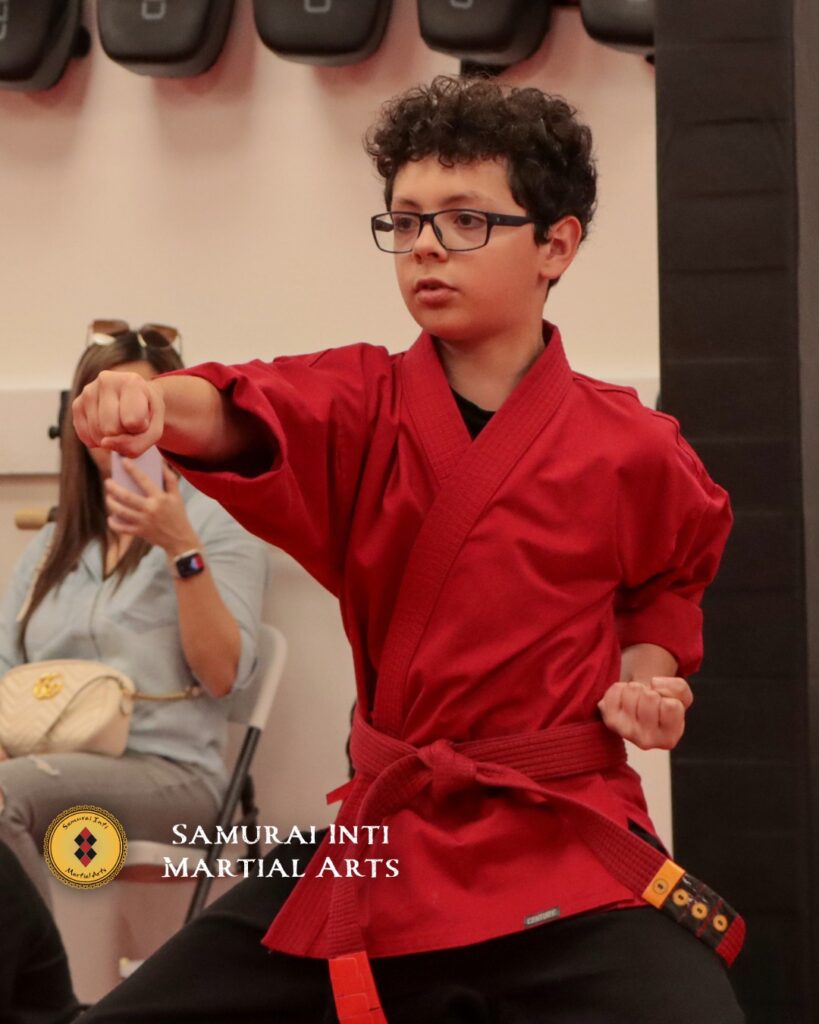
One of the biggest misunderstandings about martial arts is that it is only about fighting. Good martial arts training is not about creating aggressive kids. It is about helping children become calm, capable, and respectful under pressure.
That is why parents are often surprised by what changes first. It is not always a new kick or a stronger stance. Sometimes it is eye contact. Sometimes it is a stronger voice. Sometimes it is a child starting homework without a fight, or bouncing back faster after making a mistake.
Martial arts creates a learning environment where children practice life skills in a physical, memorable way. They do not just hear, “Be disciplined.” They experience discipline through repetition, routine, and responsibility. They do not just hear, “Be confident.” They earn confidence by doing hard things, improving over time, and seeing proof that they can grow.
For children, that kind of embodied learning is powerful. It connects the body, mind, and emotions. Instead of sitting through another lecture about behavior, they are moving, listening, adjusting, trying again, and learning through action.
Real confidence is not built through empty praise. It grows when a child sees themselves do something they once thought they could not do.
Martial arts is full of those moments. A shy child bows onto the mat and follows the class for the first time. A distracted child learns a short sequence and remembers every step. A child who usually gives up quickly works on the same movement for weeks and finally gets it right.
These are small victories, but small victories change identity. A child starts to think, “Maybe I am capable.” Then that thought becomes, “I can do hard things.” Over time, that becomes part of who they are.
This is one reason martial arts for confidence works so well. The confidence is not borrowed. It is earned. Children can feel the difference.
That earned confidence often shows up in daily life in ways parents notice quickly. Kids may start introducing themselves more clearly, participating more in class, handling correction with less defensiveness, or standing up to unkind behavior with more composure. They begin to carry themselves differently because they feel different inside.
Many parents search for focus-building activities for kids because they are tired of repeating themselves. They want their child to listen the first time, stay on task, and stop drifting through routines. Martial arts can support that goal because it teaches focus as a practiced skill, not a personality trait.
On the mat, children must pay attention constantly. They listen for instructions. They watch demonstrations. They remember sequences. They respond to cues. They adjust timing, posture, and movement. If their attention wanders, they feel it right away.
That kind of training strengthens concentration in a very practical way. It teaches kids how to settle their bodies, direct their attention, and stay engaged for longer periods of time.
Children thrive when expectations are clear. Martial arts classes usually follow a consistent rhythm: line up, bow in, warm up, practice skills, listen, repeat, reflect. That structure helps children know what is expected and what comes next.
For kids who struggle with distraction, structure reduces noise. It creates an environment where the brain does not have to guess what is happening. Instead, it can focus on the task in front of it.
This is especially helpful for children who get overwhelmed easily or lose steam halfway through a task. Martial arts breaks learning into manageable pieces. A child learns one stance, then one strike, then one combination. Step by step, they discover that focus is something they can improve.
That lesson transfers well to school. A child who is used to taking instruction in sequence is often better prepared to follow multi-step directions in the classroom. A child who practices staying present during drills may find it easier to stay with an assignment a little longer before mentally checking out.
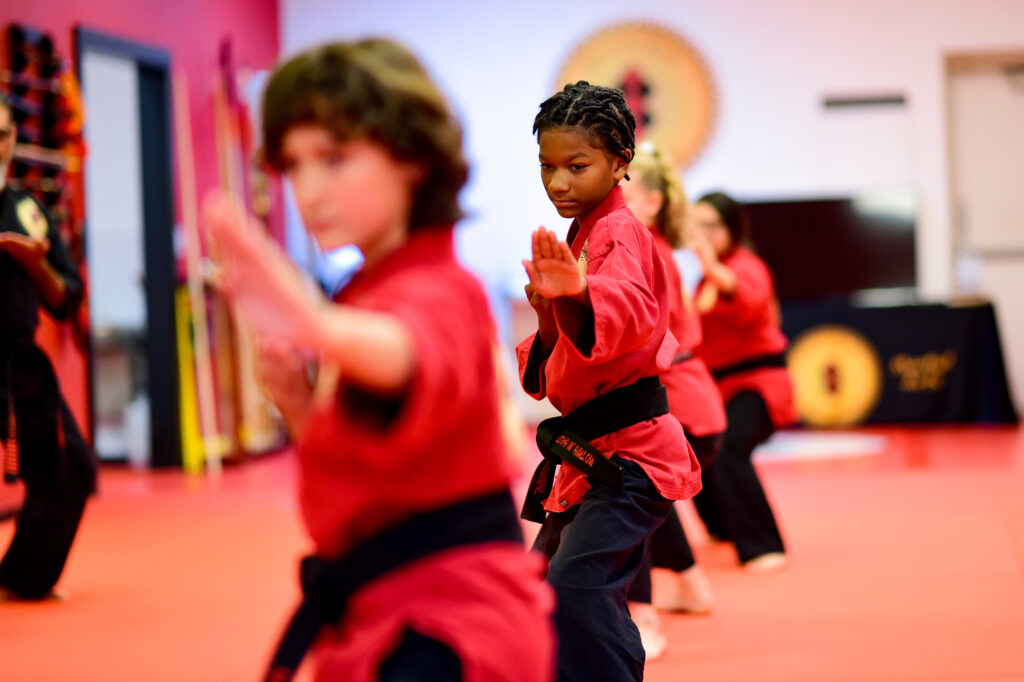
Some children simply do not learn best by sitting still. They need movement to organize their energy. Martial arts gives that movement purpose.
Instead of random fidgeting, there is controlled action. Instead of scattered energy, there is direction. Children learn how to channel excitement, nerves, and restlessness into specific movements and routines.
That can be a major shift for kids who are often told to “calm down” without being shown how. Martial arts gives them a path. Breathe. Stand here. Watch closely. Move with control. Reset. Try again.
Focus becomes less about forcing stillness and more about learning regulation.
When parents talk about discipline classes for kids, they are usually not asking for harshness. They are asking for consistency. They want their child to follow through, show respect, and take responsibility without constant reminders.
Martial arts teaches discipline in a way that is firm but constructive. Children learn that there is a right time to speak, a right way to listen, and a right attitude to bring into training. They also learn that progress comes from repetition, patience, and effort over time.
That is a valuable lesson in a culture that often rewards speed, convenience, and shortcuts. Martial arts slows growth down just enough for children to understand that mastery is built, not handed out.
One reason martial arts is so effective for building discipline is that the feedback is immediate. If a child rushes, they lose balance. If they stop paying attention, they miss the next move. If they keep practicing with care, they improve.
That simple connection between effort and outcome is powerful. It teaches children that what they do matters.
At home, this can support better routines. A child begins to understand why they need to put effort into chores, homework, or getting ready on time. At school, it can reinforce better study habits, more respectful behavior, and greater responsibility.
Discipline in martial arts is not about fear. It is about alignment. A child learns to match intention with action. They begin to trust the process, even when progress is slow.
Parents usually care less about what happens in class than about what follows their child home. That is fair. The real question is whether training helps family life feel smoother, calmer, and more connected.
Often, it does.
A child who is building confidence may need less constant reassurance. They may be more willing to try things independently, speak up respectfully, or recover after frustration. A child who is strengthening focus may move through bedtime, chores, or homework with fewer reminders. A child learning discipline may resist less, complain less, and follow through more consistently.
This does not mean martial arts turns children into perfect listeners overnight. Growth is rarely that neat. But it can create a new pattern. Over time, kids start to internalize routines and expectations rather than fighting them every step of the way.
The best results happen when lessons on the mat are echoed at home. Parents do not need to become instructors, but they can support the habits martial arts is building.
A few simple things help. Use consistent language around effort, respect, and self-control. Praise progress, not just outcomes. Ask your child what they learned about focus or discipline after class. Encourage them to practice one small skill at home, even for five minutes.
You can also connect martial arts lessons to everyday situations. If your child gets frustrated with homework, remind them how they kept practicing a difficult move until it improved. If they are nervous about school, remind them how brave they were stepping onto the mat.
These connections help children see that martial arts is not separate from life. It is training for life.
Teachers and parents often want the same things: better listening, better self-control, more resilience, and stronger follow-through. Martial arts supports all of those areas.
In school, confidence helps children raise their hands, ask for help, and participate more fully. Focus helps them stay with instructions, complete work, and shift between tasks with less resistance. Discipline helps them respect boundaries, manage impulses, and stay accountable.
Another overlooked benefit is emotional resilience. School can be socially and academically demanding. Children face pressure, comparison, correction, disappointment, and conflict. Martial arts teaches them how to handle challenge without crumbling.
They learn that mistakes are part of growth. They learn that being corrected is not the same as failing. They learn how to keep going when something is hard. Those are school skills just as much as they are martial arts skills.
A child who has never struggled in a healthy way can become fragile. A child who has faced manageable difficulty and grown through it becomes more resilient.
Martial arts offers healthy struggle. Skills take time. Progress is visible but not instant. Children must repeat, adjust, and try again. That process teaches patience and grit.
When those same children face a hard spelling test, a tough social moment, or a disappointing grade, they have more internal tools. They are less likely to collapse at the first sign of difficulty because they have practiced staying steady through challenge.
Not every program produces the same results. If your goal is character development, not just activity, look for a school that teaches more than technique.
Pay attention to the culture. Are instructors calm, clear, and respectful? Do they know how to challenge children without shaming them? Is there a visible emphasis on listening, self-control, and encouragement? Do children seem engaged, not just entertained?
It also helps when the program connects training to real life. A strong school does not just celebrate belts and physical skills. It reinforces habits like perseverance, courtesy, emotional control, and responsibility.
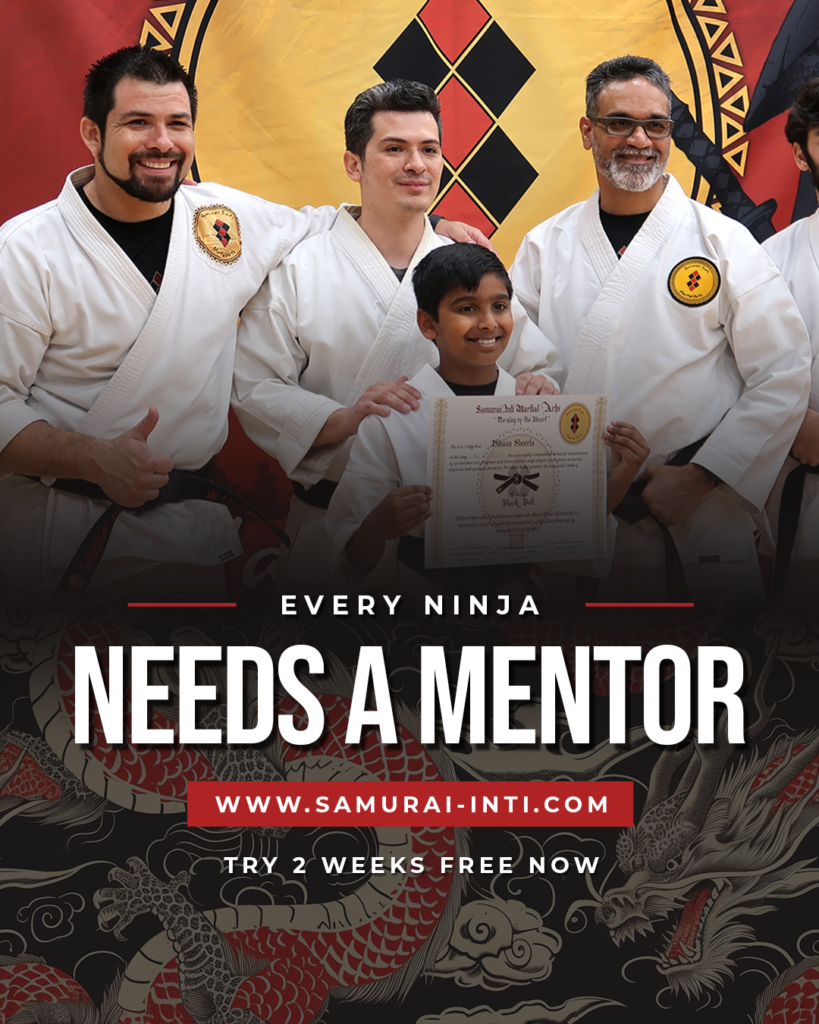
If possible, watch how instructors interact with shy kids, high-energy kids, and frustrated kids. That will tell you a lot. Great martial arts teaching is not only about skill delivery. It is about mentorship.
The most meaningful changes in martial arts are rarely dramatic in the first week. They build gradually. A child learns to stand straighter. Then to listen better. Then to stay calmer under pressure. Then to trust themselves more.
That is how deep growth works. It starts below the surface and becomes visible over time.
For parents, this is an important mindset shift. Martial arts is not just another after-school activity to burn energy. At its best, it is a system for shaping habits, identity, and character. It helps children become more grounded in who they are and more capable in how they move through the world.
That is why the benefits last. Confidence is not just for class. Focus is not just for drills. Discipline is not just for belt testing. These are life skills that support children at home, at school, and in every environment where they are asked to grow.
The strongest kids martial arts benefits are not flashy. They show up in the quiet, important moments: a child speaking with more confidence, listening with more focus, handling correction with more maturity, and following through with more discipline at home and school.
That is the real value of martial arts. It helps children build inner strength, not just physical skill. It gives them structure, challenge, encouragement, and a path to become calmer, stronger, and more self-assured over time.
If you are looking for an activity that does more than keep your child busy, martial arts is worth serious consideration. The right program can help your child grow into someone who stands tall, thinks clearly, and leads with confidence. Those are kids martial arts benefits that reach far beyond the mat.
