Most parents begin their search for a martial arts school with practical questions.
What style do they teach?
How many classes are offered?
How quickly do students earn belts?
Those questions make sense. Parents want to make sure their child is learning something real and worthwhile.
But there is a deeper question—one that often goes unasked, yet quietly shapes everything that follows:
Who will be influencing my child every week?
Because children don’t just absorb information.
They absorb people.
The tone of their voice.
The way they handle mistakes.
How they respond to frustration.
How they treat authority, effort, and others.
At Samurai Inti Martial Arts, we believe that the single most important factor in a child’s growth is not the curriculum—it’s the mentor standing in front of them.
Every parent has experienced this moment.
You repeat the same instruction at home—calmly, patiently—and it seems to go nowhere. Then your child comes home from school or practice and says something like, “My coach said we should do this,” and suddenly the message sticks.
This isn’t because parents lack authority.
It’s because children are wired to learn through example and relationship.
When a child admires and trusts an adult, learning becomes relational rather than transactional. Correction doesn’t feel like criticism. Guidance doesn’t feel like control.
It feels safe. And safety is what allows growth.
In many activity-based programs, instructors rotate often. Relationships are shallow. The focus is on keeping classes moving and systems running. Again, this isn’t always due to bad intentions—it’s often the byproduct of scale. But for a child, inconsistency sends a message, even if no one says it out loud:
“This place isn’t really about me.”
When instructors change frequently, children may still learn techniques, but they rarely feel seen. And when kids don’t feel seen, they disengage emotionally—even if they continue to show up physically. True mentorship requires time, presence, and continuity.
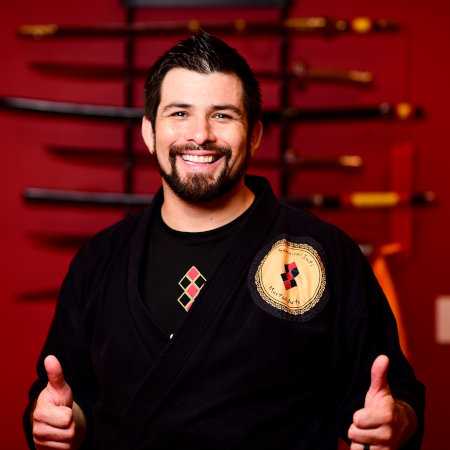
Mentorship doesn’t announce itself.
It shows up quietly, consistently, and relationally.
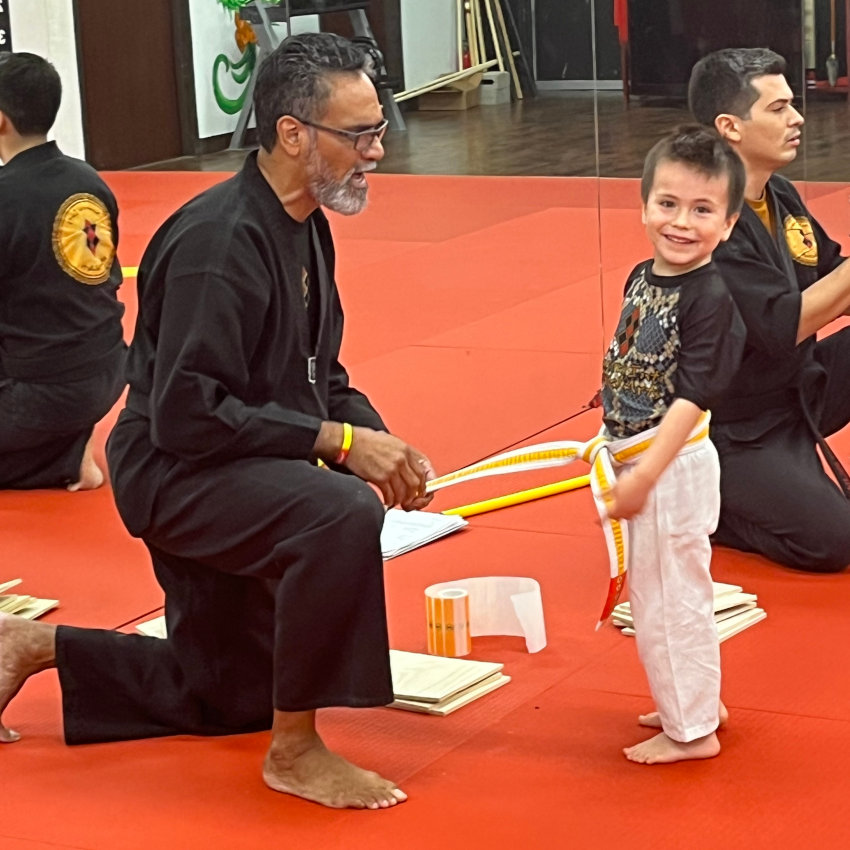
It looks like an instructor who notices when a child is unusually withdrawn and adjusts their tone instead of pushing harder. It looks like correction delivered with calm confidence rather than frustration. It looks like standards being upheld without humiliation.
Over time, something subtle but powerful happens.
Children stop training for approval and start training because they trust the process. They are more willing to try, to fail, and to keep going—because they know someone is guiding them, not judging them.
This is where character is formed.
Confidence isn’t built by praise alone.
It’s built by overcoming difficulty in the presence of someone who believes in you.
When a mentor consistently models patience, discipline, and self-control, children internalize those qualities. They don’t just learn how to punch or kick—they learn how to handle frustration, how to accept correction, and how to carry themselves with respect.
That kind of confidence doesn’t disappear when circumstances change.
It follows a child into school, friendships, and adulthood.
If you want to understand the difference mentorship makes, the clearest way is to experience it directly.
Book a free intro class that includes a free uniform and meet the instructors who guide our students with consistency, care, and intention from day one.

Children who grow up under thoughtful mentorship don’t fear authority—but they don’t blindly submit to it either.
They learn that authority can be calm.
That boundaries can be fair.
That correction can come from care rather than ego.
This changes how they respond to teachers, coaches, and eventually employers. They become respectful without being passive, confident without being confrontational.
These lessons are not taught verbally.
They are absorbed through daily interaction.
Parents usually enroll their child in martial arts for confidence, discipline, or self-defense. What they often don’t expect is how deeply the mentorship affects their child’s inner world.
Over time, parents notice changes that are hard to measure but impossible to miss.
Their child handles disappointment differently.
They take responsibility more readily.
They show respect without being reminded.
They begin to believe they are capable of growth.
This is not the result of a technique.
It’s the result of being guided by the right people.
Every week your child spends hours observing adults in positions of authority.
The question isn’t whether they’re being influenced.
It’s by whom.
When choosing a martial arts school—or any developmental program—it’s worth asking:
Who will my child be watching when things get hard?
Who will correct them when they fail?
Who will model discipline when no one is applauding?
Because long after specific techniques fade, the influence of mentors remains.
If you want your child to grow under guidance that values character as much as skill—
If you want them mentored, not managed—
If you want to partner with instructors who see your child as a human being, not a number—
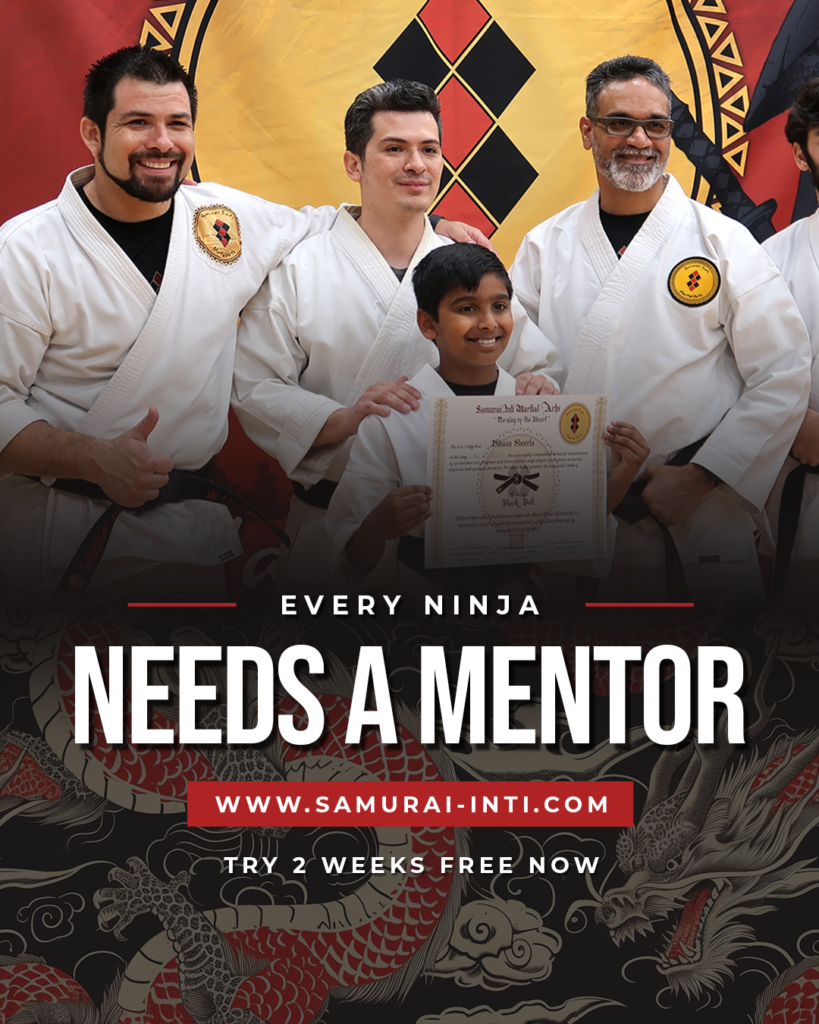
Book a free intro class that includes a free uniform at Samurai Inti Martial Arts in Frisco.
Because what your child learns matters.
But who they learn it from matters more.
Comments are closed