Why the “One-Style” Question Misses the Bigger Picture
Most martial arts systems were developed with a specific purpose in mind. Some focus on long-range striking, others on close-range control, others on ground situations, and some lean heavily into forms, discipline, or competition. None of these approaches are wrong. The problem is assuming one approach fits every situation.
Children don’t experience life in a controlled environment. They deal with crowded hallways, unexpected physical contact, emotional pressure, and moments where panic matters more than perfect technique. A child who is only trained for one scenario may freeze when the situation changes. That’s why adaptability matters more than specialization.
What “Hybrid Martial Arts” Really Means (In Plain Language)
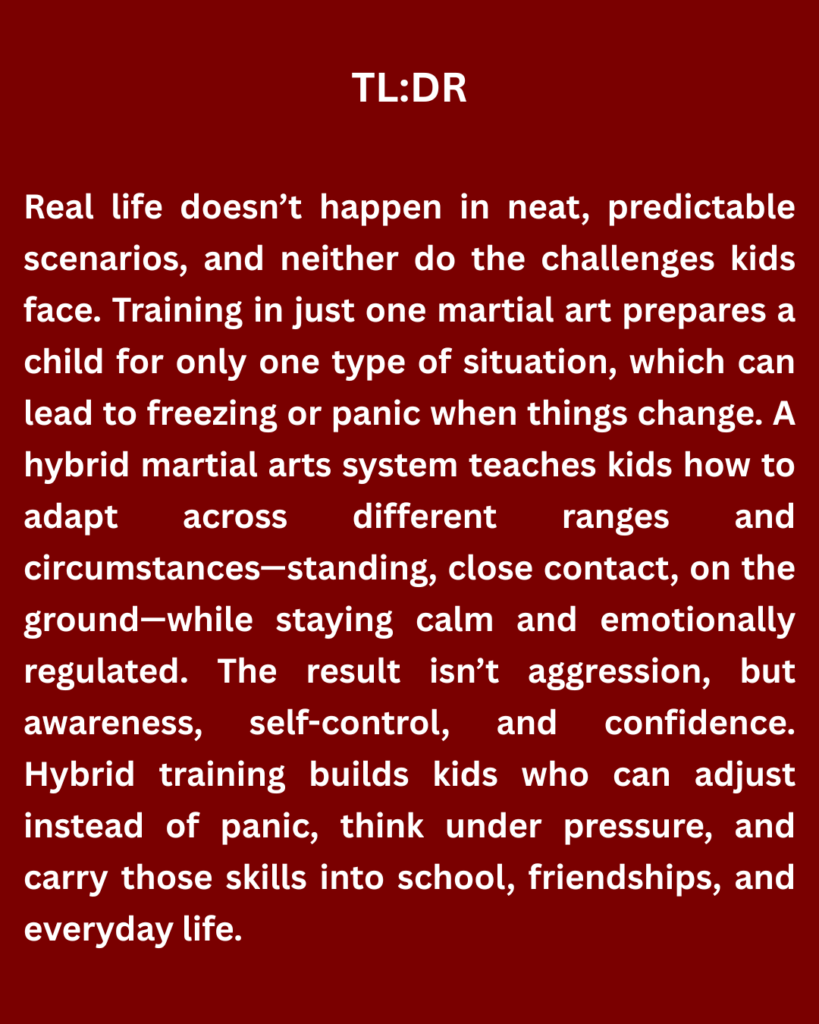
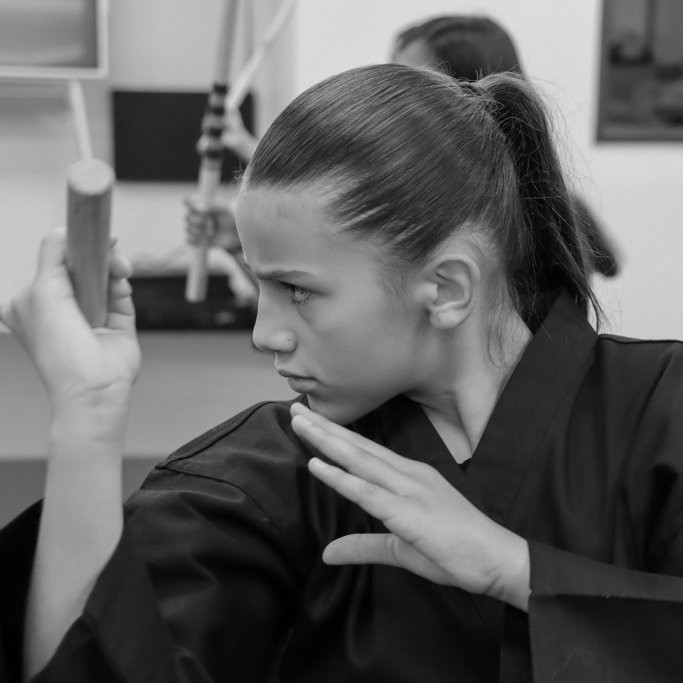
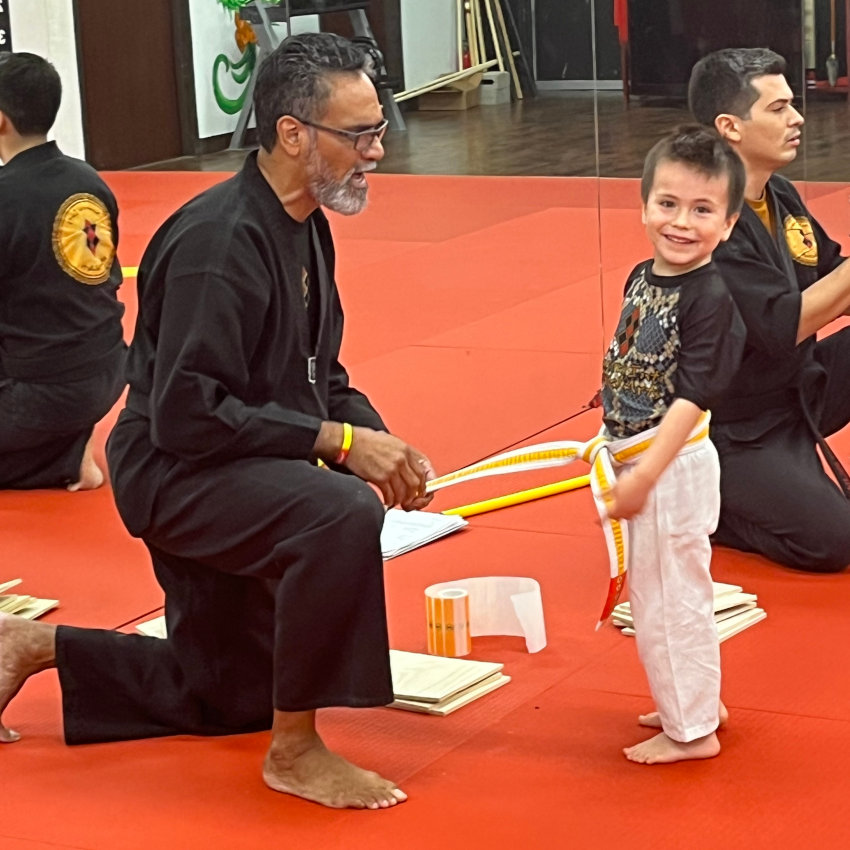
A hybrid system simply means kids learn how to handle different ranges and real-life situations, not just one. At Samurai Inti, that includes building standing confidence and awareness, developing close-range control and balance, learning ground safety and how to recover, and practicing emotional regulation and decision-making the entire way through.
This isn’t about turning kids into fighters. It’s about teaching them how to stay composed when things don’t go as planned.
Real Life Isn’t Predictable — Training Shouldn’t Be Either
Imagine teaching a child only how to swim in a calm pool, then expecting them to stay calm if they fall into moving water. That’s what one-style training can unintentionally do. Life doesn’t announce what’s coming next.
Kids need tools for managing distance and space, handling close contact, losing balance, getting back up, and staying calm through it all. A hybrid system prepares kids for transitions, not just positions.